
Overview
Welcome to the Pelvic Health Explorer’s monthly article. This is part 1 of a 3-part series on clinical aspects of GERD and the role of the Pelvic Health Provider in management.
Silent Reflux
Silent reflux, also known as laryngopharyngeal reflux (LPR), is a condition where stomach contents, including acid and pepsin, flow back into the esophagus and reach the larynx and pharynx. Unlike typical gastroesophageal reflux disease (GERD), LPR often does not present with heartburn, making it more challenging to diagnose.
Role of Pepsin
Pepsin is a digestive enzyme produced in the stomach, activated by stomach acid, and responsible for breaking down proteins. When reflux occurs, pepsin can be carried into the esophagus, larynx, and even the lungs. Research indicates that pepsin, not just acid, is a significant contributor to the damage seen in LPR:
- Diagnostic Marker: Pepsin presence in saliva or throat mucus is used as a biomarker for diagnosing reflux. Studies have shown that salivary pepsin levels are significantly higher in individuals with GERD and LPR compared to healthy controls, making it a reliable indicator of reflux presence and severity (BioMed Central) (SpringerLink).
- Mechanism of Damage: Pepsin adheres to the mucosal cells of the larynx and pharynx, remaining inactive until it is reactivated by acidic conditions. This reactivation can cause substantial mucosal damage, leading to symptoms such as chronic cough, throat clearing, and hoarseness. Unlike acid, pepsin can cause damage even in mildly acidic or neutral pH environments (SpringerLink) (ENT Today)
- Clinical Implications: The presence of pepsin in the upper airways has been linked to various respiratory conditions, including chronic cough and idiopathic pulmonary fibrosis. Pepsin’s role in these conditions suggests that treatments targeting pepsin activity might be beneficial. Traditional acid-suppressive therapies, like proton pump inhibitors (PPIs), are less effective against pepsin-related damage, as PPIs do not neutralize pepsin directly (ENT Today).
- Treatment Approaches: Given the limitations of acid suppression in treating pepsin-related damage, surgical options like Nissen fundoplication, which physically prevent reflux, may be more effective. However, these surgeries are not always successful in the long term, and ongoing research is exploring other potential treatments (SpringerLink) (SpringerLink).
Conclusion
Pepsin plays a crucial role in the pathology of silent reflux and can be a valuable diagnostic marker. While current treatments focus on acid suppression, addressing pepsin activity and preventing its reactivation are essential areas of ongoing research. For effective management, a combination of diagnostic tools and targeted therapies may be necessary to mitigate the damage caused by both acid and pepsin in reflux conditions.
Clinical Implications in Pelvic Health
It has long been recognized that chronic cough, throat and airway clearing, asthma are problematic for pelvic floor health. The relationship of the airway restrictions, pressure management and chronic rib and upper abdominal activation increases the pressure onto and through the pelvic diaphragms. The result can be over-recruitment of the musculature and chronically can lead to failure of the system, either through the fascial system or pelvic floor muscle recruitment capacity.
A key factor for consideration here is informing our clients of the benefits of reducing acidity in their food and drink. Keeping in mind that pepsin is designed to break down protein. If pepsin is leaking out of the stomach and coating the respiratory and oral tissues, the presence of acidity in food and drink will activate the pepsin causing break down of tissue and an increase of mucosal inflammatory response.
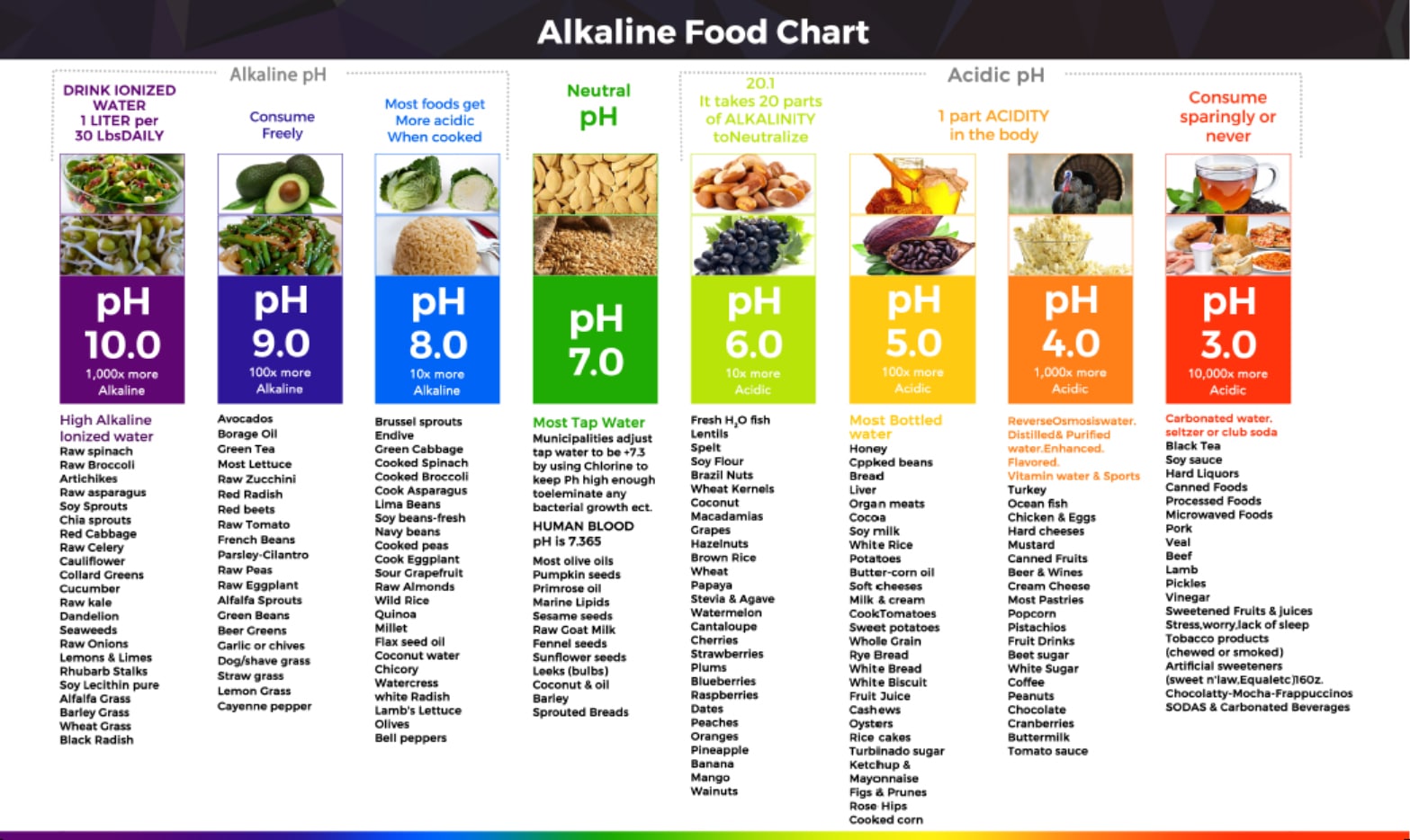
Highly Alkaline Foods:
- Vegetables: Spinach, kale, cucumber, broccoli, and sprouts.
- Fruits: Avocado, lemon, watermelon, and grapefruit.
- Others: Almonds, pumpkin seeds, chia seeds, and herbal teas like chamomile and ginger tea.
Moderately Alkaline Foods:
- Vegetables: Zucchini, green beans, and celery.
- Fruits: Apple, peach, and berries.
- Others: Tofu, soy products, and non-dairy milk like almond and soy milk.
Neutral Foods:
- Fruits: Bananas and dates.
- Others: Most beans and legumes, and mineral water.
Moderately Acidic Foods:
- Vegetables: Corn and olives.
- Fruits: Blueberries and cranberries.
- Others: Whole grains like rice and oats, and dairy products like yogurt and cheese.
Highly Acidic Foods:
- Meats: Beef, pork, and chicken.
- Fruits: Oranges, lemons (although acidic outside the body, they are alkalizing once metabolized).
- Others: Coffee, alcohol, processed sugars, and artificial sweeteners.
A diet rich in alkaline foods is believed to promote overall health by reducing the body’s acidity. It’s suggested that a balanced diet should consist of about 60-80% alkaline-forming foods and 20-40% acid-forming foods (Healthy Mouth Project) (Intentionally Eat) (VitaFountain).
Stay tuned for Part 2 next month: Impact of Silent Reflux on Long-Term Gut Health
Stay Curious,
Susan