

From the Cervical Spine to the Diaphragm and the Pelvic Floor:
Reflex-Driven Strategies for Pressure, Posture, and Pelvic Function
Reclaim the connection between breath, posture, and pelvic control.
This immersive, small-group course blends science and skill to help you restore synergy from the cervical spine to the pelvic floor.
* Limited to 15 participants
Location:
Bloom Integrative Health
& Movement Centre
STITTSVILLE LOCATION
120 Iber Rd, suite 100
Stittsville, Ontario, K2S1E7
Dates:
June 13-14, 2026
Investment:
$675
Reconnect the Reflexes.
Redefine Function.
Pressure, posture, and pelvic control are not isolated systems—they are conversations happening across the body. Every breath, every reflex, every adjustment between the cervical spine and pelvic floor tells a story of adaptation, coordination, and resilience.
When these systems fall out of sync, we see it:
Necks that won’t release. Cores that can’t coordinate. Pelvic floors that brace instead of breathe.
This advanced, two-day course invites you to see these patterns through a new lens—the reflexive, neurologic, and autonomic relationships that shape how your clients move, stabilize, and recover.
This Is Your Invitation
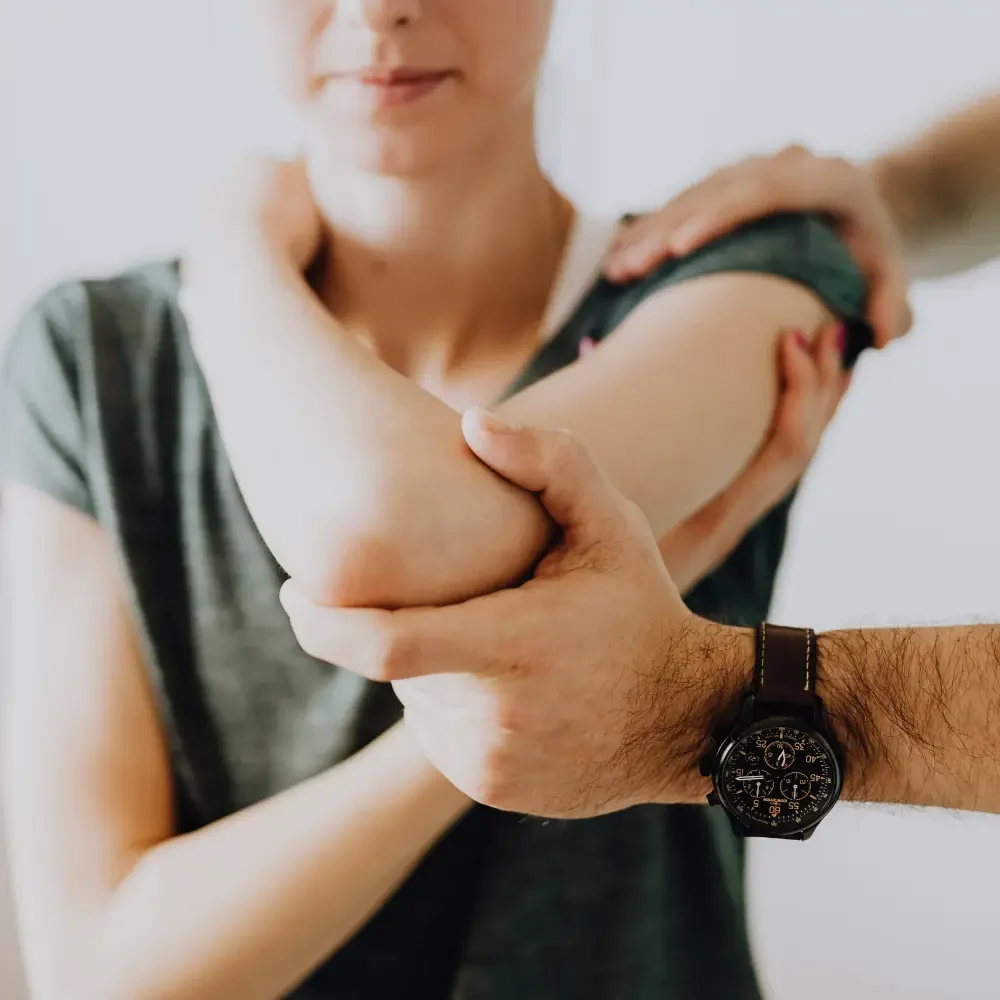
You’ll explore the dynamic continuum from the glottis to the pelvic floor—where the voice, breath, and postural systems intersect to create balance and flow.
Through lecture, live demonstration, and hands-on labs, you’ll learn to restore synergy in your clients’ most essential systems.
At the heart of this experience is embodied learning, including:
Hands-on
labs:
Assess and train cervical–ocular–vestibular reflexes (VOR/COR/VCR), explore breath–pressure coordination, and practice sequencing drills that restore alignment from head to pelvis.
Autonomic-aware coaching:
Integrate phonation, breath cadence, and imagery to calm bracing patterns and enhance endurance.
Manual & movement progressions:
translate table findings into functional, load-bearing, and sport-specific applications.
This is your invitation to move beyond muscle isolation and into the connected intelligence of the human system—where posture becomes purpose, and pressure becomes power.
Course Overview
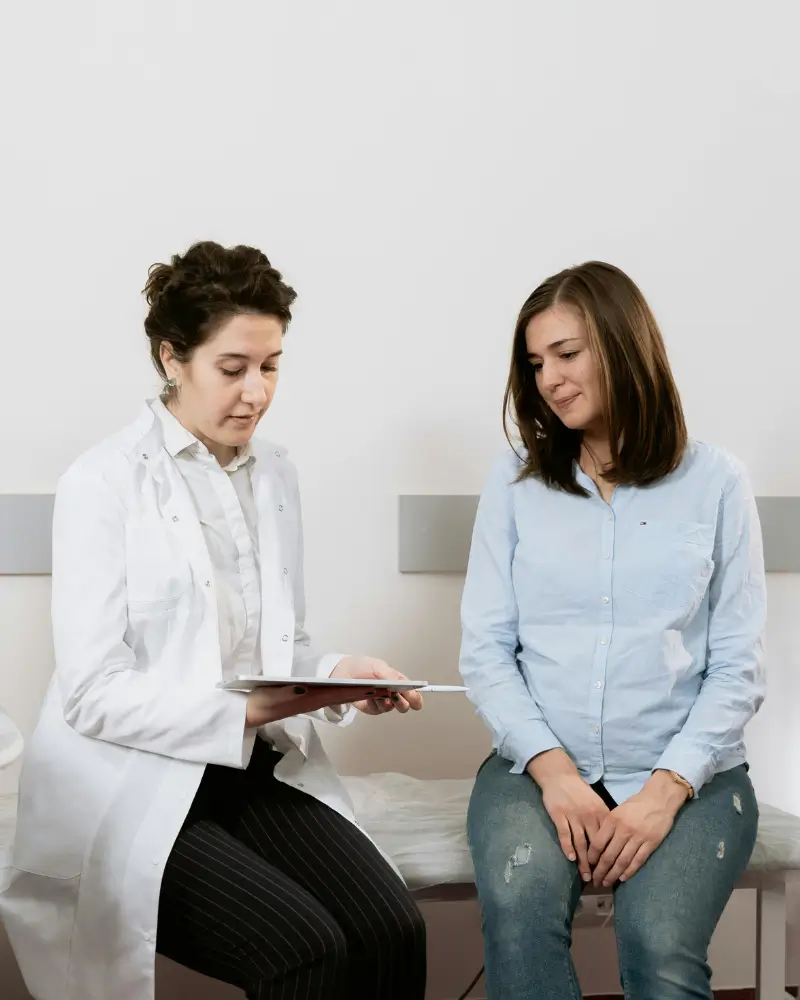
This advanced, hands-on course explores the glottis-to-pelvic floor continuum through reflex-based assessment, manual therapy, and movement integration. You’ll connect the upper airway and cranio-cervical systems to abdominal pressure dynamics, spinal mechanics, and pelvic function—translating complexity into confident, embodied clinical reasoning.
With a blend of concise lecture, live demonstration, and lab-intensive practice, you’ll learn how to identify, assess, and retrain the neurophysiologic and mechanical systems that shape pressure regulation and core control.
Pre-course materials will be provided to help you arrive ready to dive in—allowing you to spend your in-person time in rich, hands-on learning and integration.
You’ll leave with a complete toolbox: concise screening flows, progressions that travel from table to task, and documentation strategies that make change visible (and defensible) in the clinic.
What You’ll Learn
By the end of this course, you will be able to:
Define normal abdominal / thoracic pressure ranges and explain how posture and activity alter them.
Describe the glottis-to-pelvic floor continuum and the trigeminal–vagal alarm system.
Identify physiologic effects of prolonged sitting and key research findings.
Interpret evidence on pelvic floor muscle fatigability and apply training for endurance and load tolerance.
Perform exam + intervention strategies that modulate intra-abdominal pressure and glottal control while training deep core systems.
Use voice, phonation, and breath sequencing to automate postural control during functional tasks.
Screen VOR, COR, VCR reflexes and connect findings to trunk / core / pelvic floor recruitment; progress drills for synergy.
Apply vagal-toning and trigeminal inputs (exhale-biased breath, auricular cues, jaw / ocular release) to improve diaphragm–pelvic floor timing and track change.
Assess and train static, dynamic, and reactive balance to optimize recruitment patterns across the spine, core, and pelvic floor.
Integrate manual therapy and movement to enhance spinal mechanics and reinforce dosage-specific motor control in real-life tasks.
What’s Included:
01
Pre-course video and reading materials
to build foundational knowledge before the live session.
02
16 contact hours of live, in-person training
focused on hands-on learning and practical application.
03
Access to the full course slide deck
for review and ongoing reference after the course.
04
Small-group lab environment
(limited to 15 participants) for individualized feedback and skill refinement.

Who Should Attend
Pelvic health physical therapists (intermediate – advanced)
No internal exam required.
Format: 30–40 % lecture | 60–70 % lab / case integration
About Your Instructor
Dr. Susan Clinton,
PT, DScPT, OCS, WCS, COMT, FAAOMPT, WHC, NBC-HWC
Founder of LTI Physio | Lead · Transcend · Inspire
An internationally recognized clinician, educator, and mentor with over 40 years of experience, Dr. Susan Clinton bridges science and intuition to help providers deliver holistic, evidence-based care. Her teaching style is immersive, compassionate, and empowering—guiding practitioners to see connections others miss and elevate their clinical impact.
